
Growing a cleaner economy, and a fairer one.
Hemp can store carbon, rebuild soil and replace fossil materials. How we grow the industry decides who benefits.
Aligned with the UN Sustainable Development Goals
The UN's 17 Global Goals were adopted in 2015 as a shared plan for 2030.[9] Industrial hemp touches at least eight of them.
The SDG colors and names are used for information only and do not imply UN endorsement.
Carbon you can live in
A hemp crop producing 8–12 tonnes of biomass per hectare captures roughly 10–15 tonnes of CO2.[6]
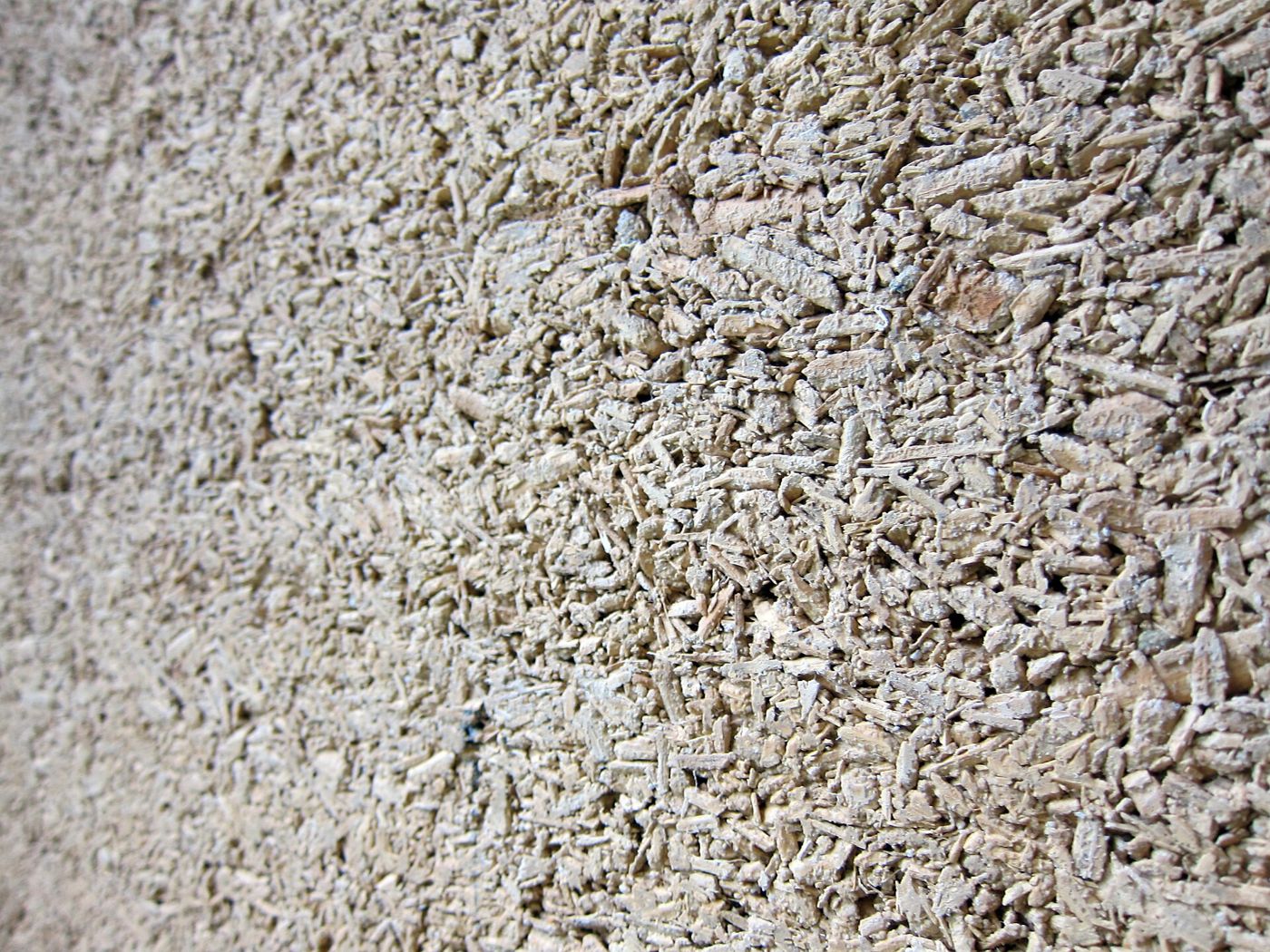
What matters is how long it stays captured. Hempcrete walls and durable composites can store that carbon for decades. That's why Gallantri focuses on long-life products, not just growing the crop.
Buildings and construction account for about 37% of global energy and process-related CO2 emissions[18], so plant-based building materials are one of the biggest levers we have.
A five-year plan to house veterans
Gallantri's humanitarian project aims to reduce veteran homelessness, and homelessness in general, with homes built from industrial hemp, tiny-home construction and container models.
Feasibility
Identify the best locations and secure permits and licenses.
Build
Begin construction with hempcrete, tiny-home and container models, designed with veterans' input.
Support
Add counseling, job training and access to health care alongside housing.
Move in
Complete homes and welcome veterans into them, with services continuing.
Sustain
Measure results, improve and put a plan in place to keep homes in good condition for years.
Turning workers into owners
Hemp is a chance to build a new industry the right way, with everyone at the table.
Entrepreneurship
Advisory, playbooks and franchising to help create 1,000 new hemp business owners.
Skilled trades
Training for equipment operators, processing technicians and hempcrete installers.
Education
The free Hemp Academy, and training with universities and communities in Ecuador through MyMomsHemp.