
What is industrial hemp?
Industrial hemp and marijuana are the same species, Cannabis sativa L., but they are bred for different purposes. Under U.S. law, hemp is cannabis with 0.3% or less delta-9 THC on a dry-weight basis.[1] Hemp is grown for fiber, hurd, seed and grain, not to get high.
One plant, four raw materials
| Part | What it is | What it becomes |
|---|---|---|
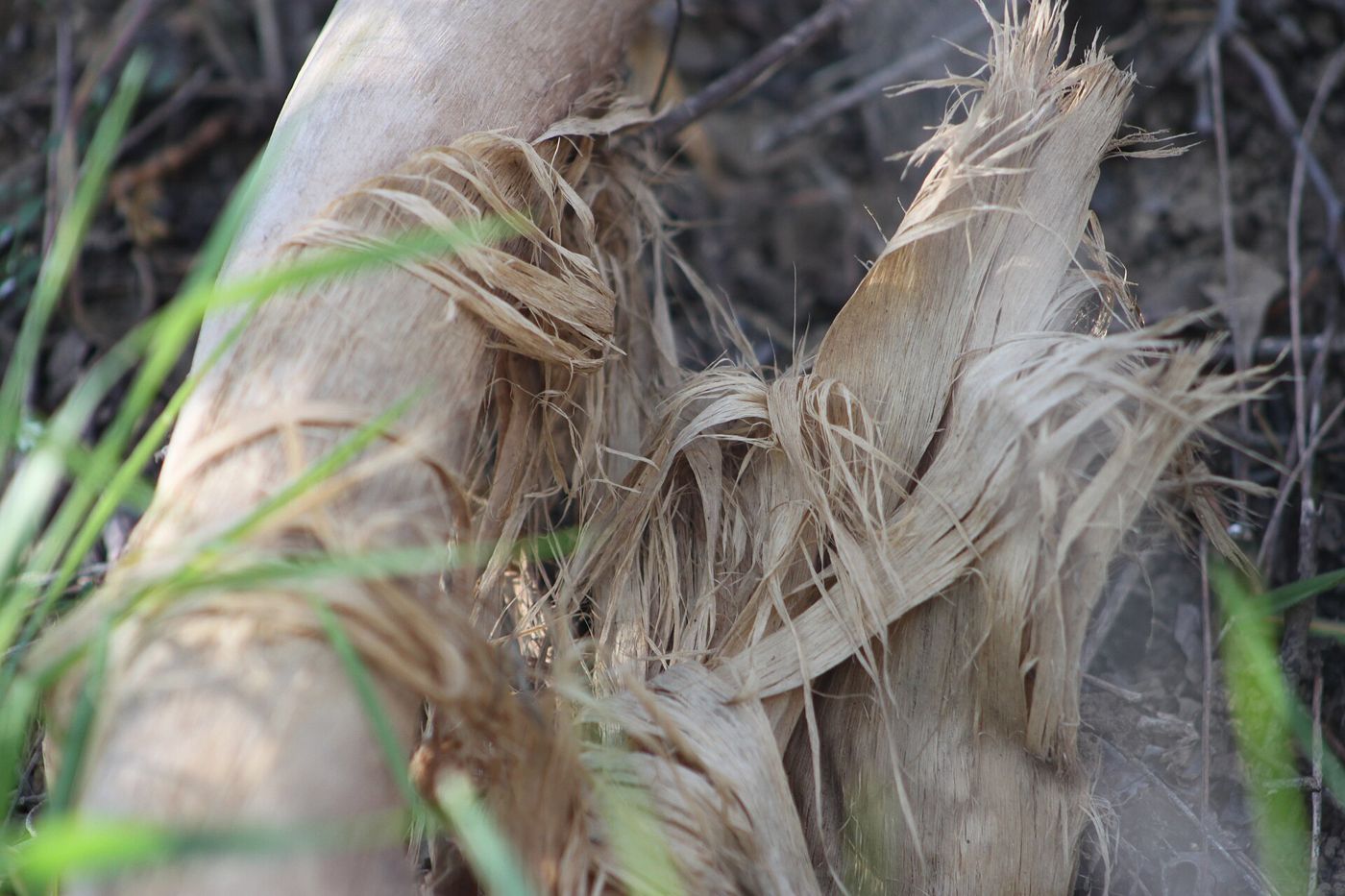
| Bast fiber | Long, strong fibers in the outer stalk | Textiles, rope, paper, car and building composites |
| Hurd (shiv) | The light, woody inner core | Hempcrete, animal bedding, absorbents, mulch, particleboard |
| Seed & grain | Hemp seeds, hulled into hearts or pressed | Food, oil, protein, animal feed, cosmetics |
| Flower & leaf | The top of the plant | Extracts (tightly regulated) |
USDA Bulletin 404 (1916) noted that the hurd weighs roughly five times as much as the fiber.[3] Using all four parts is how a hemp operation makes money and cuts waste.
Bast fiber: why hemp is so strong
Hemp's bast fibers are long, cellulose-rich bundles and among the strongest natural plant fibers. For centuries, sailing ships relied on hemp rope and canvas; the English word "canvas" comes from the Latin "cannabis." The same strength makes hemp useful today in textiles, bio-composites and specialty papers.[1][3]
The hurd: hemp's hidden workhorse
When hemp is processed for fiber, most of the stalk is left behind as hurd. Far from waste, it becomes hempcrete and insulation, highly absorbent animal bedding, spill absorbents, mulch and particleboard. Building markets for hurd is one of the keys to profitable hemp processing.[3]
Seed & grain
Hulled hemp seed contains about 31.6 g of protein per 100 g.[23] In 2018 the FDA raised no questions about hulled hemp seed, hemp seed protein powder and hemp seed oil as food ingredients (GRAS).[4] In 2024, hemp seed meal was approved for laying hens at up to 20% of the diet.[8]
Hemp seed oil is not CBD oil
Hemp seed oil is cold-pressed from the seeds: a culinary and cosmetic oil rich in fatty acids. FDA has stated hemp seeds don't naturally contain THC or CBD. CBD oil is made from extracts of the flowers and leaves and is regulated differently. On a label, "Cannabis sativa seed oil" means hemp seed oil; "cannabidiol" or "hemp extract" means CBD.[4]
From stalk to fabric
- Harvest: stalks are cut and dried.
- Retting: dew and microbes loosen the fiber from the core.
- Decortication: machines separate bast fiber from hurd.
- Cleaning and cottonizing: fibers are refined to lengths spinning mills can use.
- Spinning into yarn.
- Weaving or knitting into fabric.
In the U.S., steps 3 and 4 are the biggest bottleneck because there are few processing facilities. New investment is arriving, such as a fiber cottonizing line announced in Montana in October 2026.[22]
What is retting?
Most U.S. farmers use field (dew) retting: cut stalks lie in rows for several weeks while moisture and natural microbes break down the pectins binding fiber to hurd. Timing matters. Under-retted stalks are hard to process, and over-retted fiber loses strength. Researchers are working on more controlled methods such as enzyme retting.[3]
Glossary
| Bast fiber | Long fibers from the outer stalk. |
| Hurd / shiv | Woody inner core of the stalk. |
| Decortication | Mechanically separating fiber from hurd. |
| Retting | Loosening fiber from the core using moisture and microbes (or enzymes). |
| Cottonizing | Refining hemp fiber to a length and fineness suited to cotton-spinning equipment. |
| Hempcrete | Hemp hurd mixed with a lime binder and water; a non-structural insulating infill. |
| Biocomposite | Hemp fiber or hurd combined with a binder such as PLA or polypropylene. |
| Delta-9 THC / total THC | The intoxicating compound used to define hemp legally; "total THC" also counts THCA. |
| GRAS | "Generally recognized as safe," an FDA food-ingredient status. |